

Every so often, a film comes along that really strikes a chord with you for whatever reason. It could be the story, the acting, a certain plot point, or something else entirely. That’s what happened with The Wake, an incredible film written and directed by Luis Gerard. The story focuses on the Carpenters, a family who runs a mortician’s business helmed by their father, Gary (Robert Fulton), with assistance from their mother Ivy (Patty Sullivan). Despite his insistence that their sons take an interest in the family business, that doesn’t seem to take, with brothers Walter (Issac Kragten) and the younger Martin (Zander Colbeck-Bhola) wanting to go be boys, get into things that would get them into trouble, and generally the nuisances that young boys tend to be. This leads them down a path that ends with a brilliant twist, brining back many of the themes the film set forth to speak about.
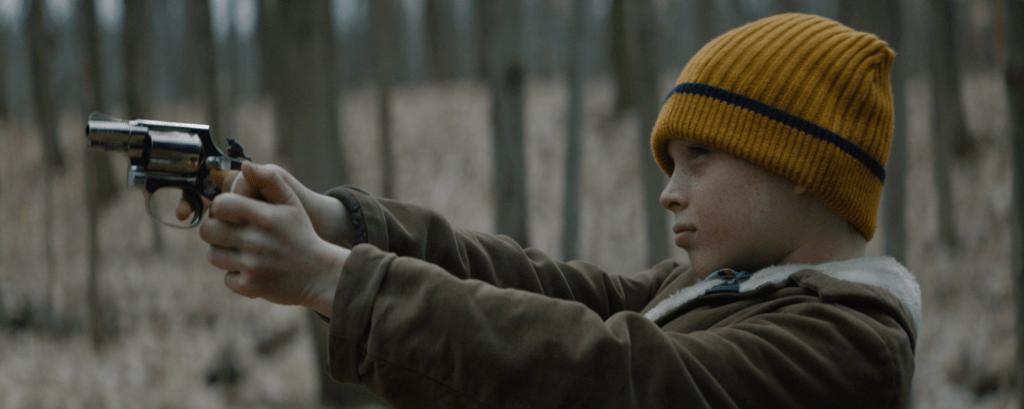
Handling death and treating it with respect can be hard, especially for the young, and I think this film does a great job of showing that. Walter isn’t keen on seeing the bodies of people he knows, shown early on when his father is working on the body of someone familiar. Instead, Walter wants to go do something more interesting to him, which is to see what that very familiar face had in their homes and liberating them of it. This really displays the black and white nature youths can tend to view things in and the influences that come into their lives, even if they don’t seem to realize it. Walter, upset at his father for using the dead as a way to make money, attempts to up the ante and profit in their own way, acting out as what seems to be an act of rebellion, despite doing a version of what he believes his father does. He brings along Martin, who is deaf, and the two go on a tear through the home, drinking, smoking, and playing with a firearm, which to them, is just cool and poses little danger.
This film tackles issues like childhood gun use, teenage rebellion, the influential nature of sibling relationships and the links those have to their parents in some very real, and very fascinating ways. Walter doesn’t want to be like his dad, so he takes his younger brother on these adventures, putting him at risk for the sake of being unlike his old man. Martin goes along because his brother is older, and therefore much cooler, and wants to be included. Being deaf may also factor into that because of the potential for isolation when a sense that is so necessary to a so-called normal life is absent.
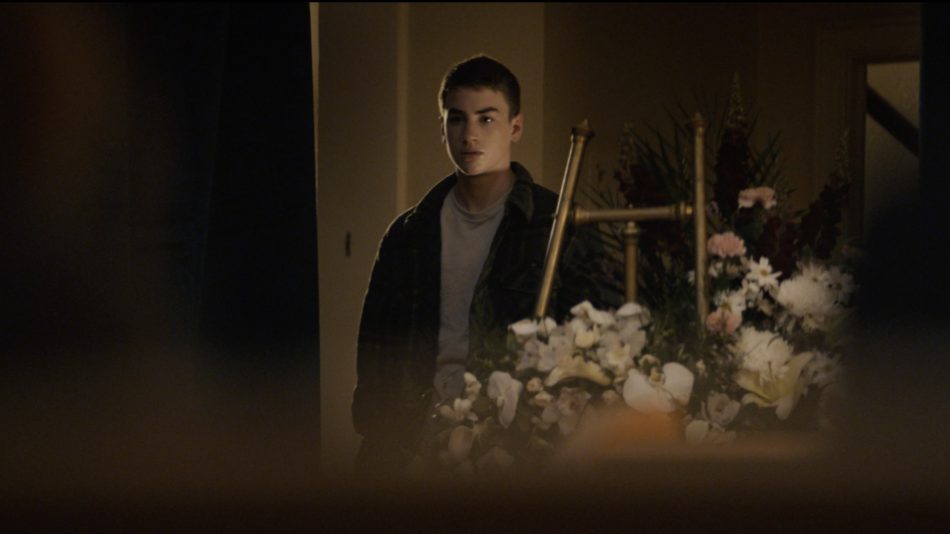
The film, being about a family that runs a mortuary, also tackles death from multiple angles. While the boys don’t really see death like most, because of their closeness to it, their father, in the brief moment of vulnerability we get from him, feels this weight hard, and that is likely why he takes such measures to do his job well, and why he attempts to instill that same respect in his children.
Without spoiling it, the ending of this film was both a shock and an inevitability. All of the themes that were built throughout the film; the boys and their lack of fear of death, their rebellious actions and their flippancy with danger are all weaved together in a beautiful sequence that ties the film up neatly. It was this moment at really set the film apart for me, as Gerard took this little world, built it into a form of reality for the viewer, and then came with the gut punch that was feared to be on the way.
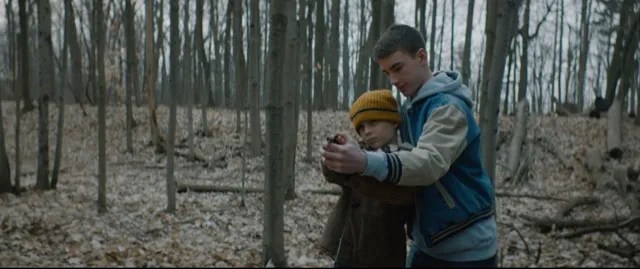
The wake is getting a lot of buzz, and is on the short list of films in their category for this year’s Oscars. All of that hype feels very justified, as this should be a film that those with any influence in the field should see and give the flowers it deserves.
Luis Gerard and the entire cast and crew should be very proud of the work they’ve done here, and here’s to hoping that’s recognized by others when the time comes.
 BITPIX TV News